


A lawyer and public commentator, Charles Omole, has said that about 62 laws and regulations require amendment to facilitate the effective take-off of state police in Nigeria.
Omole said the proposed establishment of state police would require extensive legal adjustments, adequate funding and institutional preparations by both federal and state governments, warning that the signing of the constitutional amendment alone would not guarantee its successful implementation.
He spoke on Channels Television‘s Politics Today, where he examined the implications of the state police bill transmitted to President Bola Tinubu for assent and the preparations required before state police services can commence operations.
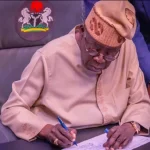
On the legislative process, Omole explained that the president could neither amend nor alter any provision of the bill but must either assent to it in the form transmitted by the National Assembly or withhold his assent.
He said the president had 30 days to assent to the bill, expressing confidence that Tinubu would sign it, particularly as the proposal originated as an executive bill.
Omole said although the Attorney-General of the Federation was reviewing the transmitted document, any discovery of a substantial error requiring its return to the National Assembly could mean restarting the legislative process, including obtaining the approval of state Houses of Assembly.
However, he said he did not envisage such a development, noting that major concerns should have been identified during the earlier stages of the legislative process.
ALSO READ: Bauchi ministry pledges support for new committee on business, human rights
“At the federal level, we’ve identified about 62 acts and regulations that consequently need to be amended to support state police. So, the National Assembly still has a lot of work to do,” he said.
Omole urged state governors to immediately establish committees to assess their preparedness for state policing and identify gaps between their existing security infrastructure and the requirements for operating independent police services.
He identified funding as a major consideration, explaining that state police would require technology-driven operations, modern equipment, personnel, and other supporting infrastructure.
He also noted that states would need to establish their own correctional facilities or develop arrangements with the Federal Government, pointing out that the constitutional amendment had already moved correctional services from the Exclusive Legislative List to the Residual Legislative List.
According to him, the financial implications would extend beyond policing to the criminal justice system, including the construction of additional courts, appointment of judges and recruitment of prosecutors.
“Security funding is what we call sunk cost. If you build a road, you can put a toll on it to raise some money back to the government. But if you spend on security, that money is gone. The gains are non-cashable,” he said.
On the division of responsibilities between federal and state police, Omole explained that the proposed National Policing Bill would establish three categories of offences: exclusively federal offences, exclusively state offences and those requiring collaboration between the two police structures.
He said crimes committed across different states could attract federal jurisdiction, depending on the circumstances and provisions of the eventual legislation.
Omole estimated that more than 90 per cent of crimes in Nigeria were state offences, meaning that the bulk of criminal investigations and prosecutions would remain under state jurisdiction.
He listed terrorism and offences with significant national security implications among the categories of crimes likely to fall under federal policing.
The lawyer also allayed concerns that state governors could exercise unrestricted control over state police, saying the safeguards contained in the proposed National Policing Bill were designed to prevent political interference.
“If the National Policing Bill that I’ve seen is passed as it is, I’m 100 per cent assured that the majority of the fears people have will be addressed. Governors can’t just wake up and control state police, not with all the caveats and guardrails that I have seen,” he said.
On the appointment of state police commissioners, Omole explained that governors would submit three nominees to the National Policing Council after the candidates had undergone the required state-level process.
He said the council would select one of the nominees to head the state police service, adding that discussions were still ongoing over the appropriate designation for the position.
Omole further explained that the transition from the existing Nigeria Police Force to the proposed federal and state policing arrangements would involve the transfer or secondment of serving police officers.
According to him, the transition framework would allow officers interested in returning to their states to transfer their services, while others could be seconded to state police formations.
He argued that state police services could not begin operations with only newly recruited officers, stressing the need for experienced personnel to establish the command structure and provide operational leadership from the outset.
He also called for an inventory of existing Nigeria Police Force assets to determine those required by the federal police and those that could be transferred to state police services.
Omole said the commencement of state policing would trigger amendments to several laws, including the Administration of Criminal Justice Act, Criminal Code, Police Act, Correctional Service Act and laws governing the Police Service Commission.
He added that states would need to review their court systems, prosecution capacity and correctional facilities to ensure that the entire criminal justice chain could accommodate the new arrangement.
While describing state police as a necessary step towards addressing Nigeria’s security challenges, Omole cautioned that it should not be regarded as a magic solution to insecurity.
He said effective implementation, adequate funding and coordination between federal and state authorities would determine whether the new policing structure achieved its objectives.
Omole also commended President Tinubu for driving the constitutional amendment, recalling that some governors initially opposed the proposal when discussions began.
He said securing the support of all 36 state governments represented a significant shift in the political position surrounding the establishment of state police.
WATCH TOP VIDEOS FROM NIGERIAN TRIBUNE TV