


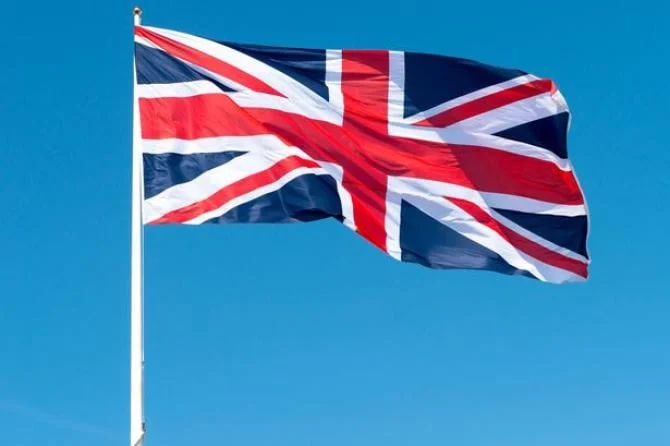
A small English village on Saturday voted to leave the UK in a symbolic poll protesting government plans to house hundreds of asylum seekers at a nearby former air force base.
The vote in Barnham follows a similar protest referendum in the village of Piddington in September, also over government plans to move asylum seekers from hotels into former military accommodation.
Between 400 to 500 people were eligible to vote in the ballot which carried no legal weight, with 257 voting for independence, 16 against, and one spoilt ballot.
“There’s an issue with the sheer volume of people expected to be accommodated,” the chairwoman of the Barnham residents’ association, Helen Beck, told AFP earlier.
“Barnham is a small village. There will be nothing for the (lodged) people to do, nowhere to go.”
Under plans by Britain’s government, the base near the village in rural eastern England will be used to accommodate 931 migrants. The village has a population of 584.
Residents were asked whether they supported seeking a “crown dependency status” similar to that of Jersey, Guernsey and the Isle of Man.
Parish council chair John Bauer said this would allow the village to “retain loyalty to the crown” while removing itself from Home Office jurisdiction.
– Safety concern –
Residents in both Barnham and Piddington say they are also worried about locals’ safety, particularly that of women.
“We’ve been told they (the asylum seekers) are all males. We don’t know where they are from, their background,” Beck said.
“People are anxious about walking alone, walking their dog in darkness if an additional 900 men arrive in the area,” she said.
In the Piddington vote in September, 285 out of 312 votes were cast in favour of “pursuing self-determination”.
The government plans to house around 1,250 asylum seekers on a former defence ministry site close to Piddington village, all single men between 18 and 65.
Britain’s centre-left government, in power since July 2024, has vowed to end the use of hotels as migrant accommodation following a public outcry.
It plans to move all those currently in hotels — a policy inherited from the last Conservative government — to former military bases by 2029.
But Beck said that there were questions about whether military-style accommodation was suitable for people “fleeing a conflict or persecution”, adding that it was also “significantly more expensive than hotels”.
AFP