

Smartphones, wireless earbuds, smart televisions and artificial intelligence are reshaping music production, distribution and consumption, creating new opportunities for artistes, producers and entertainment businesses globally, writes ANOZIE EGOLE
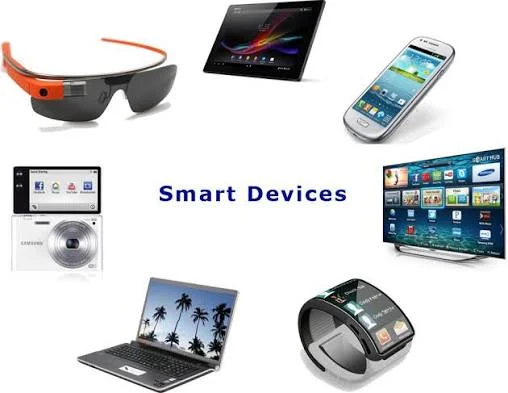
The music industry is experiencing a remarkable technological revolution, driven by the growing influence of modern electronic devices that are changing how music is created, recorded, distributed, promoted and consumed. From smartphones and smartwatches to wireless earbuds, tablets, smart televisions, Bluetooth speakers and virtual reality headsets, technological innovations are redefining the relationship between artistes, producers and music lovers.
What was once an industry largely dependent on recording studios, radio stations, physical music collections and conventional promotional channels has evolved into a digitally connected business where music can be produced, shared and accessed from virtually anywhere.
Today, a young musician can record a song with a smartphone, edit a music video on a tablet, promote a release through social media and distribute it to international audiences without necessarily engaging a traditional record label. Similarly, music lovers can access millions of songs through wireless devices, stream live performances and enjoy personalised listening experiences wherever they are.
These developments have not only improved convenience but have also created new commercial opportunities, expanded the industry’s audience base and encouraged innovative approaches to music production and entertainment.
In Nigeria, where Afrobeats and other contemporary genres continue to attract international attention, modern devices are becoming increasingly important to the industry’s growth. They are helping emerging artistes overcome traditional barriers, enabling established musicians to connect with global audiences and creating opportunities for technology companies, digital entrepreneurs and entertainment professionals.
Smartphones
The smartphone has arguably become the most transformative modern device in the music industry. Beyond its traditional communication functions, it now serves as a portable recording studio, music player, video camera, promotional platform and digital distribution tool.
With applications such as BandLab, GarageBand and FL Studio Mobile, musicians can compose melodies, record vocals, create beats and edit musical arrangements directly on their smartphones.
This has lowered the barriers to entry for aspiring artistes who may not have the financial resources to hire professional recording studios. Young musicians can develop musical ideas, produce demonstrations and share their work online without investing heavily in conventional equipment.
Smartphones have equally changed music promotion. Platforms such as TikTok, Instagram, Facebook and YouTube enable artistes to release short performance videos, interact with fans and build audiences around their music.
A song can gain popularity through a viral social media video, dance challenge or user-generated content before receiving significant attention from conventional media outlets.
For Nigerian musicians, this development has created opportunities to reach audiences beyond the country’s borders. A song produced in Lagos can attract listeners in London, New York, Johannesburg and other international markets through digital platforms.
However, the growing dependence on smartphones also means artistes must understand digital marketing, content creation and online audience management to remain competitive.
Smartwatches
Smartwatches are gradually changing how people interact with music, particularly during exercise, travelling and other activities where carrying a smartphone may be inconvenient.
Modern smartwatches, including the Apple Watch and Samsung Galaxy Watch, allow users to control music playback, adjust volume, skip tracks and access compatible streaming services.
Some models support offline music storage, enabling users to listen through Bluetooth headphones without carrying their smartphones.
This development has created a more convenient listening experience for people who exercise, jog, cycle or engage in outdoor activities.
For music streaming companies, smartwatches provide another platform through which subscribers can access their services. They also strengthen the relationship between wearable technology and digital entertainment.
Although smartwatches are not primarily designed for music production, their integration with smartphones and other connected devices illustrates how music consumption is becoming increasingly mobile.
Wireless earbuds, headphones
Wireless earbuds and headphones have transformed personal music consumption by eliminating the inconvenience of cables and providing listeners with greater mobility.
Devices such as Apple AirPods, Samsung Galaxy Buds and Sony wireless headphones have become popular among consumers who want to enjoy music while commuting, working, exercising or relaxing.
Modern models feature noise cancellation, improved sound quality, touch controls, voice assistants and other functions that enhance listening experiences.
Noise-cancelling technology is particularly useful in busy environments because it reduces unwanted background sounds, allowing users to concentrate on music.
Some advanced headphones also support spatial audio, which creates an immersive listening experience by making sounds appear to come from different directions.
This technology is changing how music producers and engineers approach audio production. As more consumers adopt sophisticated headphones, there is growing interest in producing music that takes advantage of immersive sound formats.
Wireless headphones have also become useful tools for musicians and entertainment professionals. They allow artistes to monitor audio, rehearse performances and communicate during certain production activities.
However, the increasing use of personal listening devices has raised concerns about hearing damage. Listening at excessive volumes for prolonged periods can affect hearing, making responsible use important.
Tablets
Tablets have emerged as valuable tools for musicians, producers, songwriters and other creative professionals.
Devices such as Apple’s iPad and Samsung Galaxy Tab combine portability with processing capabilities that support music production, video editing, songwriting and digital content creation.
Through applications such as GarageBand, Cubasis and other music production software, musicians can compose songs, arrange instruments, record audio and experiment with different sounds.
Tablets also provide digital interfaces for controlling compatible musical instruments and recording equipment.
For artistes who travel frequently, these devices offer an opportunity to develop musical ideas without depending on a fully equipped studio.
Beyond music production, tablets are useful for managing song lyrics, organising performances, reading digital sheet music and controlling stage equipment.
Their touchscreen interfaces also make certain creative activities more intuitive, particularly for younger musicians familiar with mobile technology.
As processing power and software capabilities improve, tablets are likely to become even more important in mobile music production.
Smart speakers
Smart speakers are changing how households access and enjoy music.
Devices such as Amazon Echo, Google Nest and Apple HomePod allow users to request songs, albums, playlists and radio stations through voice commands.
Instead of manually searching for music, listeners can simply ask their smart speakers to play a particular artiste, genre or song.
These devices are connected to digital music services, making extensive music libraries accessible through simple voice interactions.
Smart speakers also allow users to control volume, create playlists, set alarms and integrate music into broader smart-home systems.
For the music industry, this development represents another distribution channel through which streaming platforms can reach consumers.
It also creates opportunities for artistes to gain exposure through curated playlists and voice-based music discovery.
As smart-home technology becomes more widespread, the demand for connected entertainment devices is expected to grow.
Smart televisions
The modern television has evolved beyond a device for watching conventional broadcast programmes. Smart televisions now provide access to music videos, live concerts, documentaries, streaming platforms and other forms of digital entertainment.
Platforms such as YouTube, Apple Music and other streaming services allow users to watch performances and enjoy music-related content directly on their television screens.
This has changed how families and groups experience music. Instead of listening through individual headphones, people can enjoy music videos, concerts and performances together in their homes.
Smart televisions have also expanded opportunities for music marketers and content creators. Artistes can reach audiences through music videos, interviews, documentaries and live-streamed performances.
For Nigerian musicians, the growing availability of digital television platforms provides additional opportunities to showcase Afrobeats, gospel, hip-hop and other local genres to international audiences.
Bluetooth speakers
Portable Bluetooth speakers have made music more accessible in homes, offices, parties, beaches, outdoor events and other social environments.
Unlike conventional sound systems that require complicated wiring, these devices connect wirelessly to smartphones, tablets and laptops.
Their portability, rechargeable batteries and improved sound quality have made them popular among young people and music enthusiasts.
Manufacturers such as JBL, Sony, Bose and other audio technology companies continue to introduce devices with improved battery performance, water resistance and sound output.
For the entertainment industry, portable speakers have expanded the market for personal and group music consumption.
They are particularly useful for outdoor parties, small gatherings, fitness activities and informal performances.
Some advanced models also support multiple-speaker connections, allowing users to synchronise audio across different devices.
This demonstrates how relatively compact gadgets are changing the traditional concept of music entertainment.
Digital DJ devices
Modern DJ controllers and digital mixing equipment have changed how DJs organise, mix and deliver music at parties, concerts and other entertainment events.
Contemporary controllers allow DJs to access extensive digital music libraries, combine tracks, manipulate sound effects and create customised musical transitions.
When connected to laptops or compatible mobile devices, they provide access to software that simplifies music selection, beat matching and performance management.
This has reduced dependence on physical records and compact discs while giving DJs greater creative flexibility.
Digital equipment has also made it easier for emerging DJs to develop their skills and perform at events without investing in extensive traditional equipment.
In Nigeria, where nightlife, concerts, weddings and entertainment events provide important opportunities for DJs, these devices have become essential tools for professional performance.
Virtual, augmented reality
Virtual reality and augmented reality technologies are introducing new possibilities for music entertainment.
VR headsets allow users to experience simulated environments, including virtual concert venues where they can watch performances through immersive digital experiences.
Rather than physically attending a concert, music lovers can participate in selected virtual performances from their homes.
Augmented reality, meanwhile, combines digital elements with real-world environments. It can be used to create interactive music videos, enhance live performances and provide audiences with additional visual experiences.
These technologies could create new commercial opportunities for artistes, concert organisers, technology companies and entertainment platforms.
For international musicians, virtual performances can provide alternative ways of reaching audiences who cannot afford or access physical concerts.
Although the adoption of these devices remains limited by affordability, internet access and the availability of compelling content, their potential to reshape music entertainment is considerable.
AI-powered devices
The increasing integration of artificial intelligence into smartphones, computers, tablets and other modern devices is creating additional opportunities in music production.
AI-powered tools can assist musicians with songwriting ideas, melody generation, sound editing, vocal separation, mixing and mastering.
Some applications can analyse musical arrangements and suggest improvements, while others can help producers create instrumental sounds and experiment with different styles.
AI-enabled smartphones and computers can also assist content creators with video editing, promotional artwork and social media materials.
These capabilities are particularly useful to independent artistes who may lack the financial resources to employ large production and marketing teams.
However, AI has introduced concerns about copyright infringement, the unauthorised use of musicians’ voices and the potential misuse of existing musical works.
The industry will therefore need appropriate regulations and licensing arrangements to ensure that technological innovation does not undermine the rights of creative professionals.
Nigeria’s music landscape
The growing influence of modern devices presents significant opportunities for Nigeria’s music industry.
First, they are reducing the cost of entry for upcoming artistes. Smartphones, tablets and affordable computers allow young musicians to experiment with music production without necessarily establishing expensive studios.
Second, digital devices are expanding access to international markets. Through smartphones, smart televisions and streaming platforms, Nigerian music can reach listeners across continents.
Third, the devices are creating employment opportunities for software developers, video editors, sound engineers, digital marketers, equipment retailers and other professionals within the creative economy.
They are also encouraging new business models, including online music distribution, virtual performances, digital subscriptions and direct-to-fan engagement.
Nevertheless, challenges remain. The high cost of imported gadgets, foreign exchange fluctuations, unreliable electricity and limited access to affordable internet services can restrict the adoption of modern technology.
There are also concerns about digital piracy, intellectual property protection, unequal access to technology and the revenue artistes receive from streaming services.
sing these challenges will require investment in digital infrastructure, creative education, copyright enforcement and policies that support local innovation.
Conclusion
Modern electronic devices are no longer merely accessories to the music industry; they have become essential instruments shaping its development.
From smartphones that enable artistes to record and promote songs to wireless earbuds that provide personalised listening experiences, these innovations are transforming almost every aspect of the music business.
Smart televisions, Bluetooth speakers, smartwatches and virtual reality headsets are equally expanding how audiences experience music, while artificial intelligence is introducing new possibilities for creativity and production.
For Nigeria, the opportunity is particularly significant. As Afrobeats and other local genres continue to gain international recognition, greater adoption of modern technology could strengthen the country’s creative economy and improve the global competitiveness of its musicians.
Ultimately, technology alone does not make great music. Talent, originality, discipline and creativity remain essential. However, artistes and industry stakeholders who understand and effectively deploy modern devices will be better positioned to adapt to changing consumer preferences, explore new revenue opportunities and participate in the future of the global music industry.