

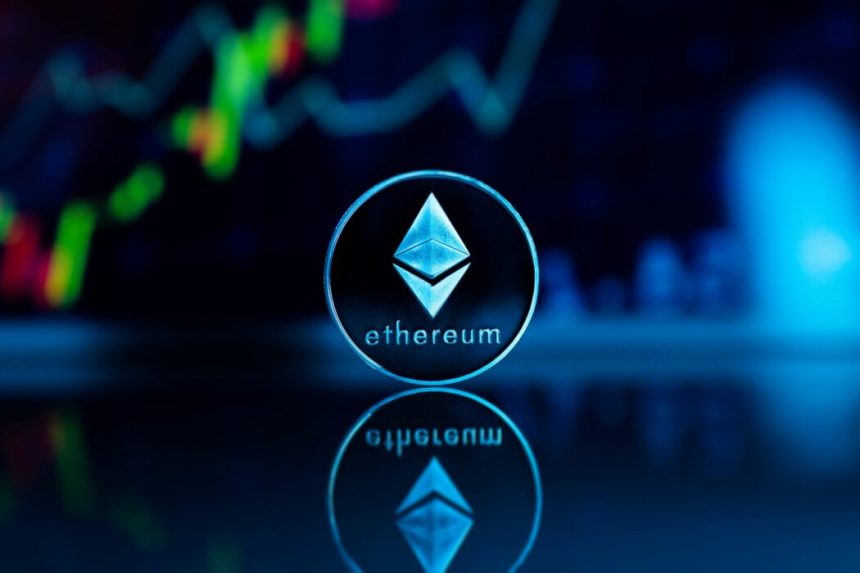
Whether Ethereum can make everyday payments easier in Africa may be more important than speculation about its long-term relevance to the continent. Remittances, cross-border settlement, access to dollar-denominated assets, and demand for faster settlement alternatives to traditional banking rails are shaping crypto adoption across the continent.
This is more than just a price conversion in the African context. It represents a broader linkage between eth to usd and digital payment systems that will grow more valuable to consumers, small businesses, and fintech firms in disparate financial markets.
Why Is Africa a Strong Payments Use Case?
Sub-Saharan Africa has emerged as one of the fastest-growing regions for cryptocurrencies worldwide. In fact, the OECD 2026 Africa Capital Markets Report indicated that crypto-asset exchanges in the region increased by 52% YOY in 2025, placing the region among the top three fastest-growing worldwide.
In addition, the OECD report reveals that since 2021, adoption of crypto-assets and stablecoins has more than doubled across Sub-Saharan Africa. Nigeria is the most penetrated country in the region, with Morocco, Kenya and Egypt coming in second, followed by South Africa.
That is significant growth because it’s not just one use case responsible for it. Users use crypto for currency trading, value preservation, cross-border payments, and access to financial services that might be costly or difficult to obtain.
Could Ethereum Improve Cross-Border Payments?
One of the easier opportunities that is still available is cross-border payments. The OECD reported that, in 2025, the cost of traditional remittance services in Sub-Saharan Africa averaged around 6.4% of the value of remittances.
That’s a very positive cost for households that receive regular transfers from family abroad. Stablecoin payments may also help reduce reliance on intermediaries and speed up transactions, particularly if local fintech service providers can convert digital assets into local currency or mobile money balances.
The fact that these alternatives to traditional banking are already significant in markets where people do not trust banks makes Ethereum-based infrastructure especially relevant.
Could Small Businesses Benefit Too?
The opportunity isn’t just for remittances. B2B transactions with suppliers, customers and partners in different countries and banking systems are common on the African continent, causing delays and extra foreign exchange expenses for SMEs.
For instance, Businesses that need to transfer value across borders may find an alternative settlement avenue in payment rails built on the Ethereum network. A company could be issued a stable-dollar coin, store it in the short term, and exchange it for the local currency when necessary.
That’s where ETH-to-USD is relevant from a business perspective, too. Ethereum is becoming more integrated with a larger ecosystem of programmable money, wallets and tokenized assets than as a speculative cryptocurrency.
The value proposition increases when a familiar payments interface is used in harmony with the blockchain layer.
How Does Mobile Money Fit Into the Picture?
The mobile-money landscape in Africa is already one of the best in the world, and this may ease the way to adopting blockchain rather than making it more needed. SSA mobile money transaction values grew by 14.5% YOY during 2023-2024.
In countries like Kenya, Nigeria, Ghana and South Africa, familiarity with mobile payments is already high. In OECD countries, the mobile-money system is well developed, and crypto use is growing especially rapidly, the OECD says.
That opens an opportunity for integration rather than replacement. The mobile wallet might remain the customer-facing product, with an underlying settlement rail built on Ethereum-based stablecoins.
For many users, learning how the blockchain infrastructure works would not be a great experience. It would simply indicate faster transfers and easier access to international digital assets.
Could Regulation Make Ethereum More Useful?
For Ethereum-based payments to gain further traction in mainstream finance, regulatory clarity will be key. A number of African markets are already taking formal steps to do so.
Ghana has enacted the Virtual Asset Service Providers Act of 2025, and Kenya has enacted laws related to exchanges, wallets and crypto payment processors. The cryptocurrency market is also regulated in South Africa under its current financial-services legislation.
Clarified rules can provide guidance for fintech firms on the legal and responsible use of digital assets. They can also push banks and payment companies to consider integrations that they might not have done in the last few years, since they were too risky.
Is Ethereum Becoming Financial Infrastructure?
This might end up being the most significant story. While Africa doesn’t necessarily need another ‘speculative crypto market’, it does need improved payment infrastructure.
Remittance costs are high, the banking system is fragmented, and mobile money usage is high, all of which may enable programmable blockchain networks to deliver meaningful value. Ethereum’s line of work might therefore not be to convince consumers to store ETH, but to facilitate stablecoins, wallets and settlement systems that people use on a daily basis.
However, for those keeping a close eye on the ETH-to-USD price relationship, this will not change. However, a more significant question about the long-term future of the network is whether Ethereum will become a piece of the financial infrastructure that links African consumers and businesses to faster, cheaper and more flexible payments.
If it does turn out to be that, Africa may emerge as one of the purest examples of Ethereum moving away from speculation and toward real monetary functions.
We’ve got the edge. Get real-time reports, breaking scoops, and exclusive angles delivered straight to your phone. Don’t settle for stale news. Join LEADERSHIP NEWS on WhatsApp for 24/7 updates →